
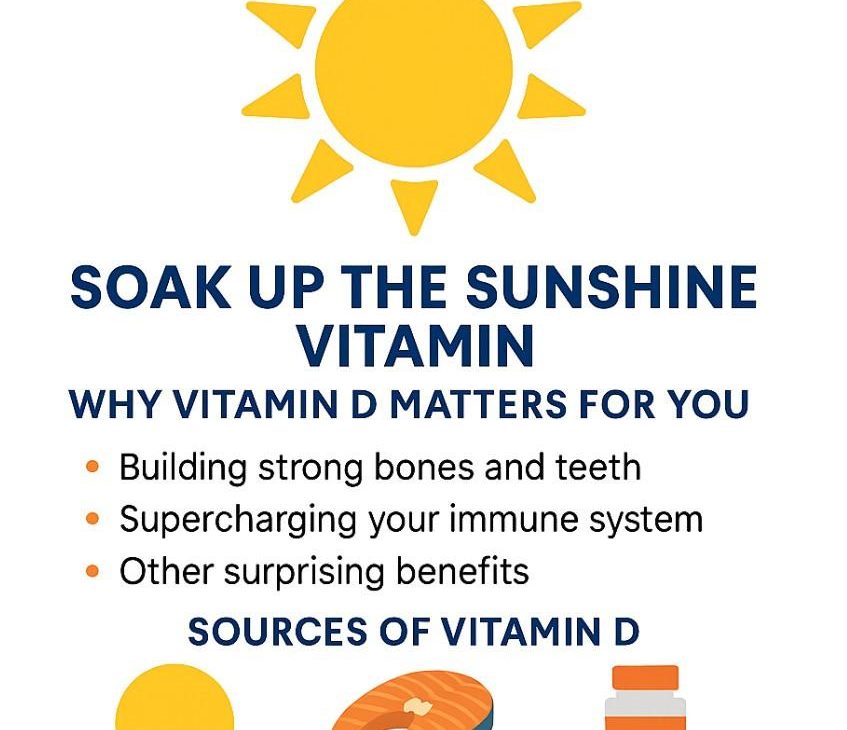
Vitamin D is an essential nutrient that plays a crucial role in maintaining strong bones, supporting the immune system, and promoting overall health. Despite its importance, vitamin D deficiency is surprisingly common worldwide.
Because the symptoms can develop gradually, many people may not realize they have low vitamin D levels until health problems begin to appear.
In this guide, we’ll discuss the most common signs of vitamin D deficiency, potential causes, and practical ways to improve your vitamin D levels naturally.

What Is Vitamin D?
Vitamin D is often called the “sunshine vitamin” because your body produces it when your skin is exposed to sunlight.
Vitamin D helps:
- Absorb calcium and phosphorus
- Maintain healthy bones and teeth
- Support immune function
- Promote muscle health
- Support overall well-being
Without enough vitamin D, your body may struggle to perform these important functions effectively.
Common Signs of Vitamin D Deficiency
1. Frequent Illness or Infections
Vitamin D helps support the immune system.
People with low vitamin D levels may experience more frequent colds, respiratory infections, or other illnesses.
2. Fatigue and Low Energy
Persistent tiredness and low energy levels can sometimes be linked to vitamin D deficiency.
Even if you’re getting adequate sleep, low vitamin D may contribute to feelings of fatigue.
3. Bone and Back Pain
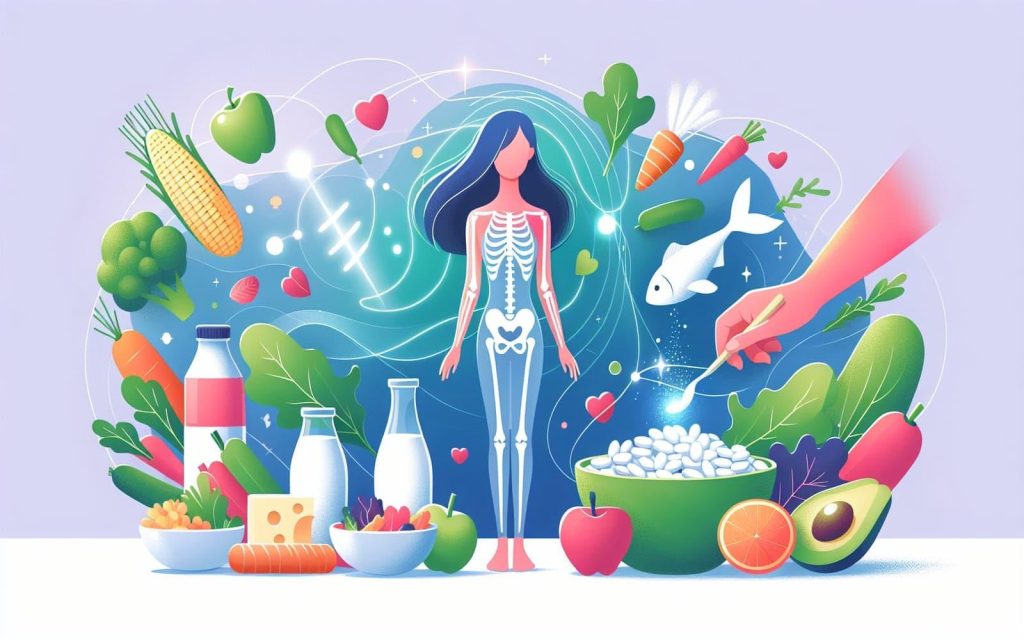
Vitamin D is essential for calcium absorption and bone health.
Deficiency may contribute to:
- Lower back pain
- Bone discomfort
- Increased risk of fractures
4. Muscle Weakness
Low vitamin D levels may affect muscle strength and performance.
Symptoms can include:
- Difficulty climbing stairs
- Reduced physical performance
- General muscle weakness
5. Mood Changes
Research suggests that vitamin D may play a role in brain function and mood regulation.
Some individuals with low vitamin D levels report:
- Low mood
- Irritability
- Reduced motivation
6. Slow Wound Healing
If cuts, scrapes, or injuries take longer than usual to heal, low vitamin D could be one contributing factor.
Vitamin D supports processes involved in tissue repair and recovery.
7. Hair Loss
While hair loss can have many causes, severe vitamin D deficiency has been associated with certain types of hair loss in some individuals.
8. Increased Risk of Bone Problems
Long-term deficiency may contribute to weakened bones and an increased risk of osteoporosis and fractures.
Who Is at Higher Risk of Vitamin D Deficiency?
Certain groups are more likely to have low vitamin D levels.
Risk Factors
- Limited sun exposure
- Spending most of the day indoors
- Older adults
- People with darker skin tones
- Obesity
- Certain digestive disorders
- Strictly avoiding vitamin D-rich foods
Causes of Vitamin D Deficiency

Insufficient Sunlight Exposure
Modern lifestyles often limit the amount of time people spend outdoors.
Poor Dietary Intake
Not consuming enough vitamin D-rich foods can contribute to deficiency.
Medical Conditions
Certain health conditions may affect vitamin D absorption or metabolism.
Aging
As people age, the skin becomes less efficient at producing vitamin D from sunlight.
How to Fix Vitamin D Deficiency Naturally
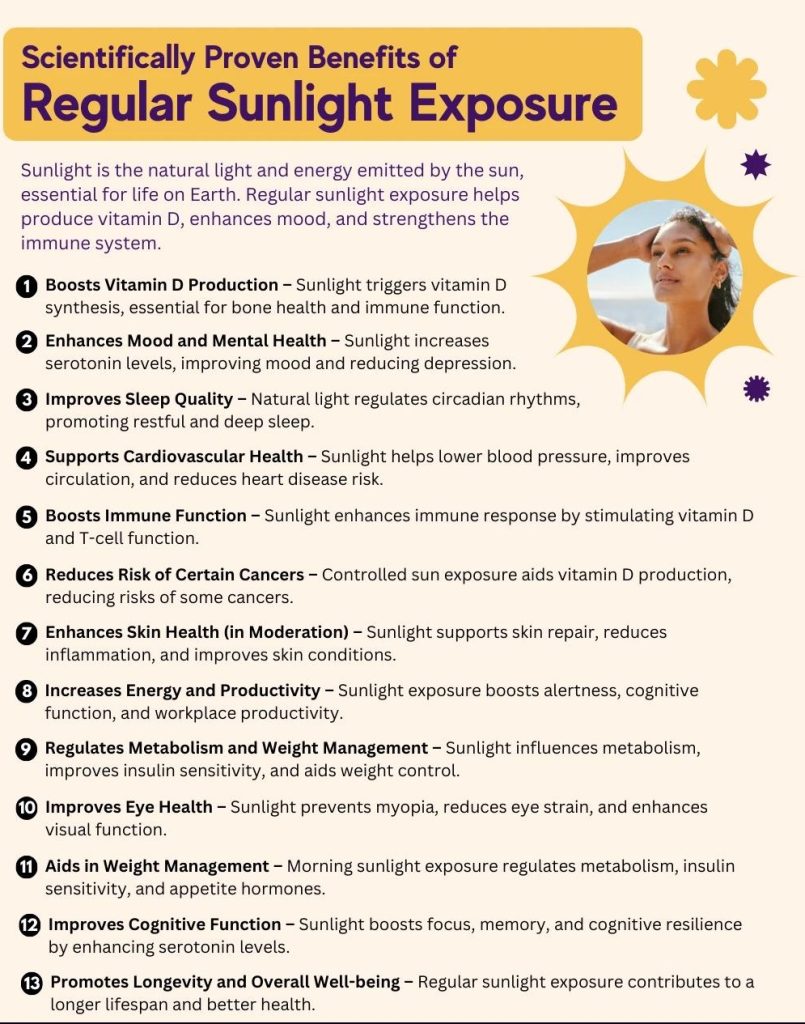
1. Get Safe Sun Exposure
Sunlight is one of the best natural sources of vitamin D.
Tips
- Spend time outdoors regularly.
- Aim for moderate sun exposure when appropriate.
- Avoid excessive sun exposure that may increase skin damage risk.
The amount of sunlight needed varies depending on skin type, location, season, and weather.
2. Eat More Vitamin D-Rich Foods
Best Sources of Vitamin D
- Fatty fish (salmon, tuna, mackerel)
- Egg yolks
- Fortified milk
- Fortified cereals
- Yogurt
- Mushrooms exposed to UV light
Including these foods regularly can help support healthy vitamin D levels.
3. Stay Physically Active
Regular physical activity supports overall health and bone strength.
Activities such as walking, jogging, and strength training can complement a healthy vitamin D strategy.
4. Consider Vitamin D Supplements
Some individuals may benefit from supplements, especially if sunlight exposure or dietary intake is insufficient.
Before starting supplements, consider discussing your needs with a qualified healthcare professional and obtaining appropriate testing if necessary.
Foods Rich in Vitamin D
Excellent Choices
- Salmon
- Sardines
- Tuna
- Egg yolks
- Fortified dairy products
- Fortified plant-based milk
- UV-exposed mushrooms
Combining these foods with a balanced diet can support healthy nutrient intake.
Can Too Much Vitamin D Be Harmful?
Yes.
While vitamin D is important, excessive supplementation can cause health problems.
Always follow appropriate dosage recommendations and seek professional guidance when needed.
Frequently Asked Questions
What are the first signs of vitamin D deficiency?
Common early signs may include fatigue, muscle weakness, low mood, and frequent illnesses.
How can I increase vitamin D naturally?
You can support vitamin D levels through safe sun exposure, vitamin D-rich foods, regular physical activity, and healthy lifestyle habits.
Which foods contain the most vitamin D?
Fatty fish such as salmon, tuna, and mackerel are among the richest natural dietary sources.
How long does it take to improve vitamin D levels?
The time required varies depending on the severity of deficiency, dietary intake, sunlight exposure, and individual health factors.
Conclusion
Vitamin D plays a vital role in bone health, immune function, muscle performance, and overall well-being. Recognizing the signs of vitamin D deficiency early can help you take steps to support your health before more serious issues develop.
By getting adequate sunlight, eating vitamin D-rich foods, staying active, and seeking professional advice when necessary, you can help maintain healthy vitamin D levels and support long-term wellness.