

Natural Ways to Reduce Stress and Anxiety: Stress and anxiety have become common challenges in today’s fast-paced world. Whether it’s work pressure, financial concerns, family responsibilities, or everyday challenges, prolonged stress can affect both physical and mental health.
Fortunately, there are many natural ways to reduce stress and anxiety that can help you feel calmer, more focused, and emotionally balanced. By adopting healthy lifestyle habits and effective stress management techniques, you can improve your overall well-being without relying solely on temporary solutions.
In this guide, we’ll explore practical and science-backed strategies to help you manage stress naturally and improve your quality of life.
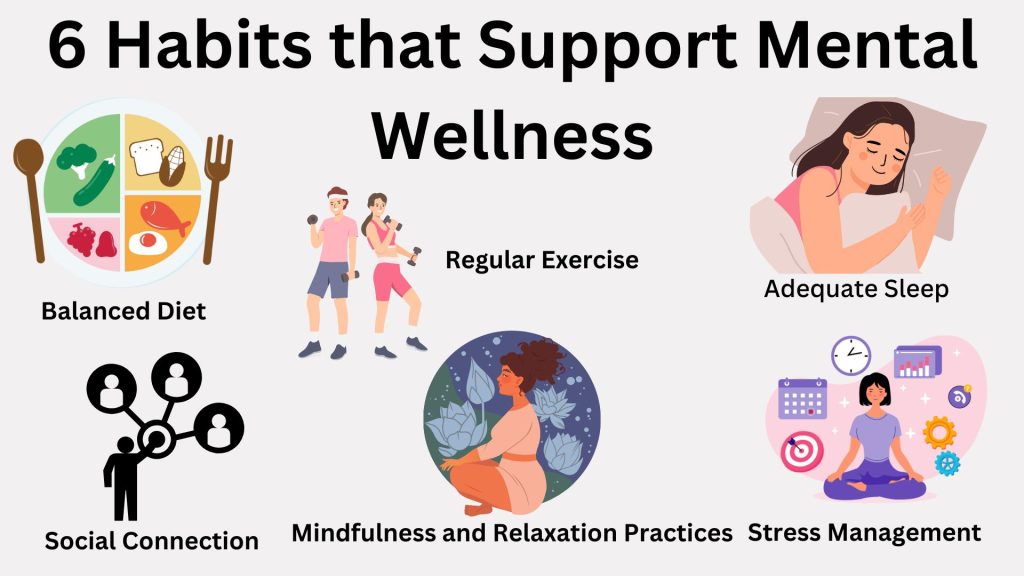
Understanding Stress and Anxiety
Stress is the body’s natural response to challenges or demands, while anxiety often involves persistent worry or fear about future events.
Common symptoms include:
- Irritability
- Difficulty concentrating
- Fatigue
- Muscle tension
- Sleep problems
- Rapid heartbeat
- Feelings of overwhelm
Learning natural ways to reduce stress and anxiety can help minimize these symptoms and improve mental wellness.
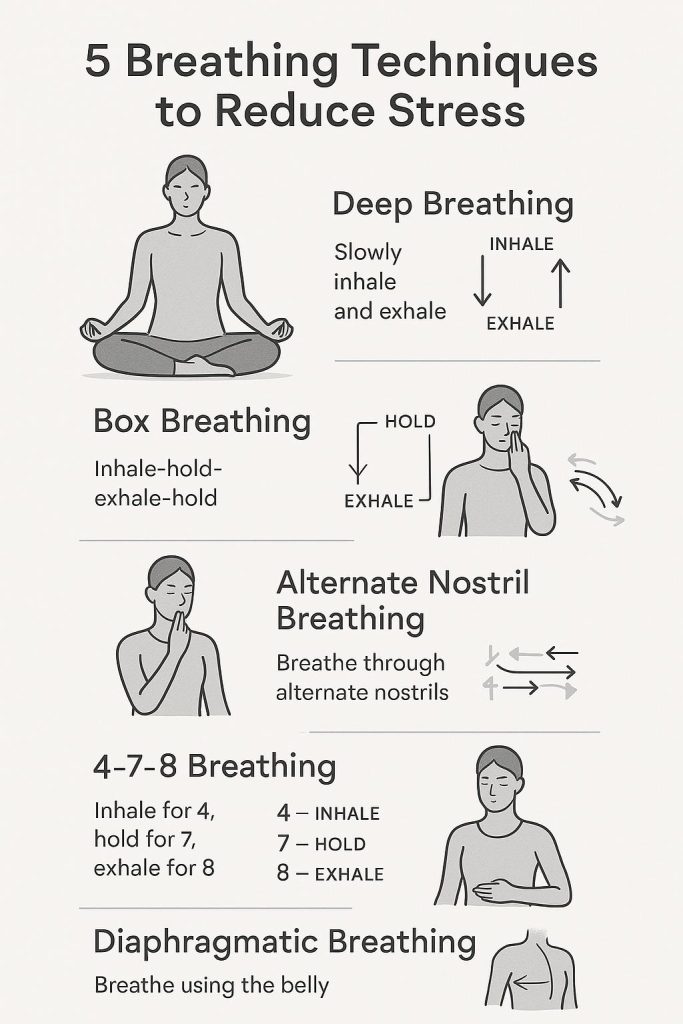
1. Practice Deep Breathing
Deep breathing is one of the simplest natural stress relief methods available.
Benefits
- Slows heart rate
- Promotes relaxation
- Reduces tension
- Helps calm anxious thoughts
Try inhaling slowly through your nose for four seconds, holding for four seconds, and exhaling for six seconds.
2. Exercise Regularly
Physical activity is one of the most effective ways to reduce anxiety naturally.
Best Exercises for Stress Relief
- Walking
- Jogging
- Cycling
- Swimming
- Yoga
- Strength training
Exercise releases endorphins, which are natural chemicals that improve mood and reduce stress.
3. Prioritize Quality Sleep
Poor sleep and stress often create a cycle that can be difficult to break.
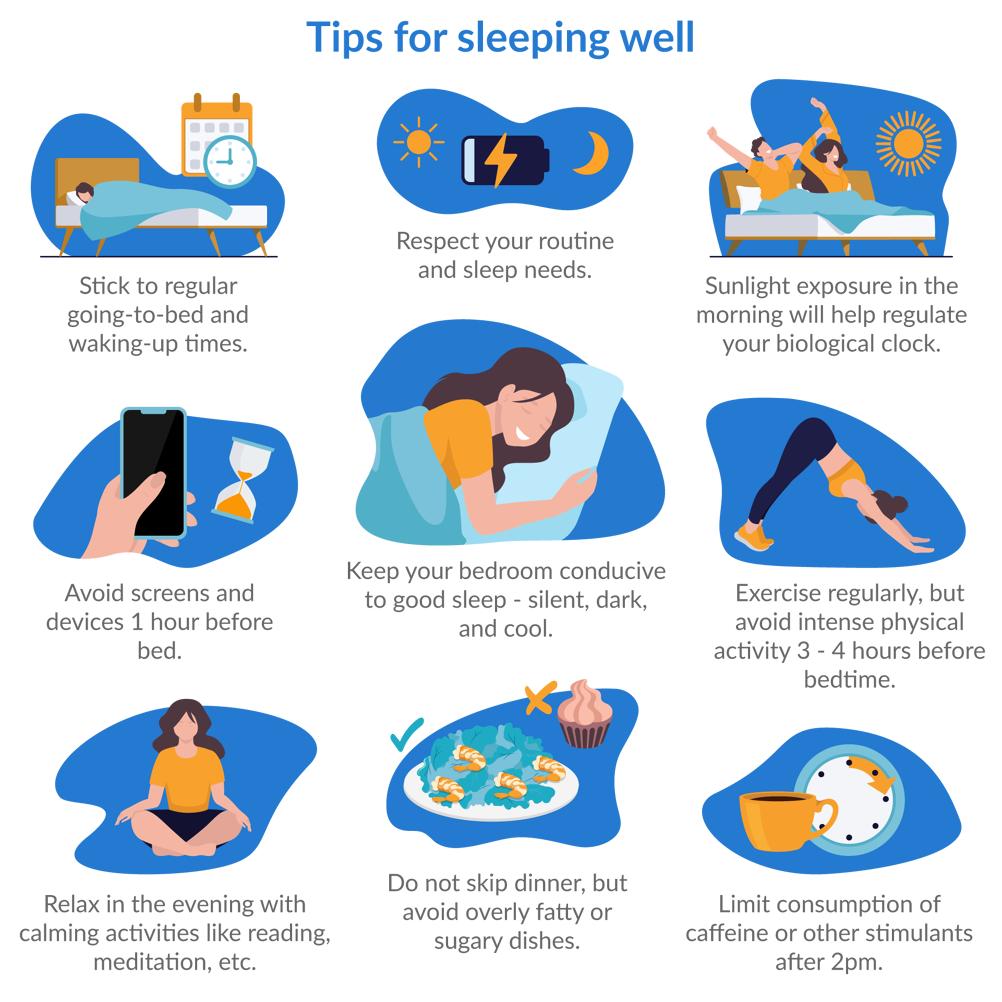
Sleep Improvement Tips
- Maintain a regular sleep schedule
- Avoid screens before bedtime
- Keep your bedroom cool and quiet
- Limit caffeine late in the day
Better sleep is one of the most important stress management techniques for long-term mental health.
4. Spend Time in Nature
Research suggests that spending time outdoors can help lower stress levels and improve mood.
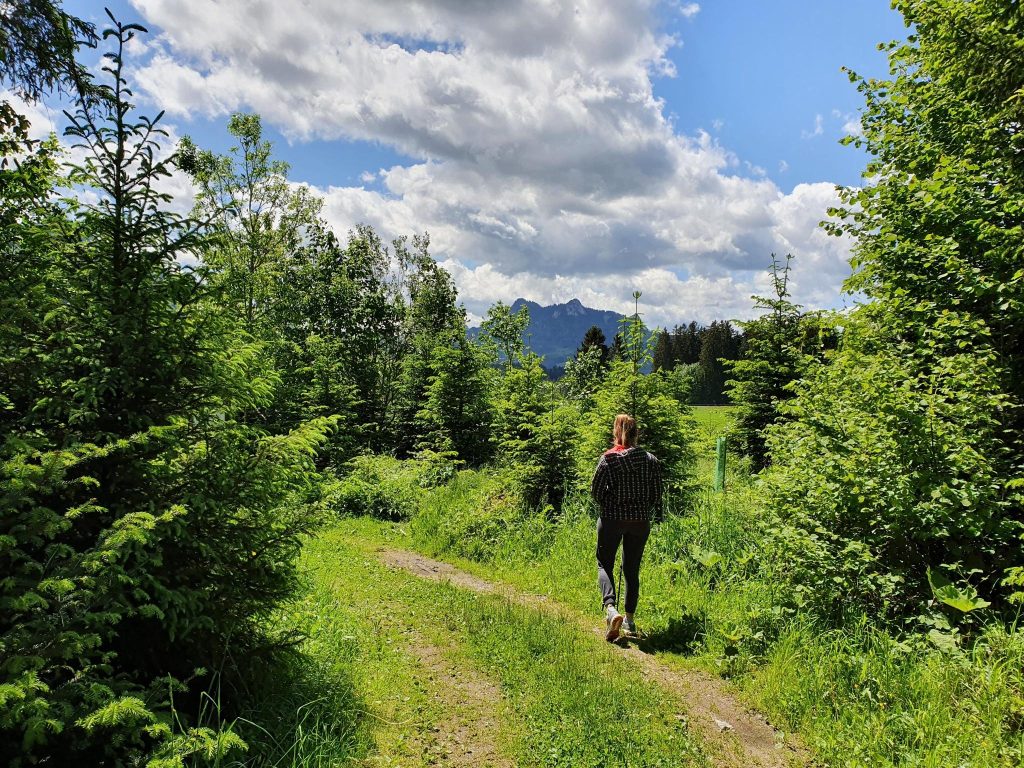
Ideas
- Walk in a park
- Go hiking
- Sit in a garden
- Enjoy outdoor activities
Nature provides a simple way to manage stress naturally while supporting physical health.
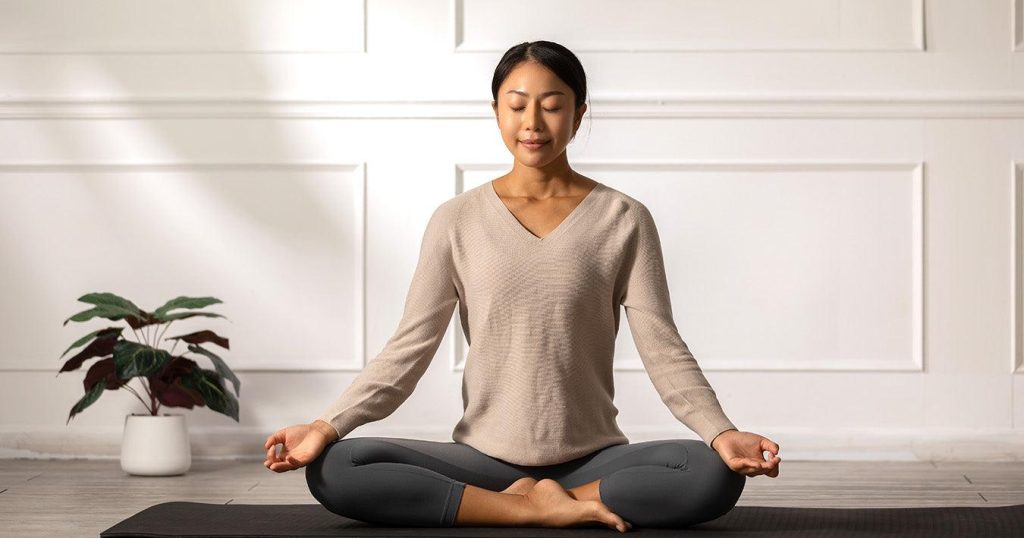
5. Practice Mindfulness Meditation
Mindfulness encourages you to focus on the present moment rather than worrying about the past or future.
Benefits
- Improves emotional balance
- Reduces anxious thoughts
- Enhances self-awareness
- Promotes relaxation
Just 10 minutes of meditation daily can make a meaningful difference.
6. Limit Excessive Caffeine
While moderate caffeine consumption is generally safe for many people, excessive intake may contribute to nervousness and anxiety in some individuals.
Consider replacing some caffeinated beverages with:
- Herbal tea
- Water
- Decaffeinated options
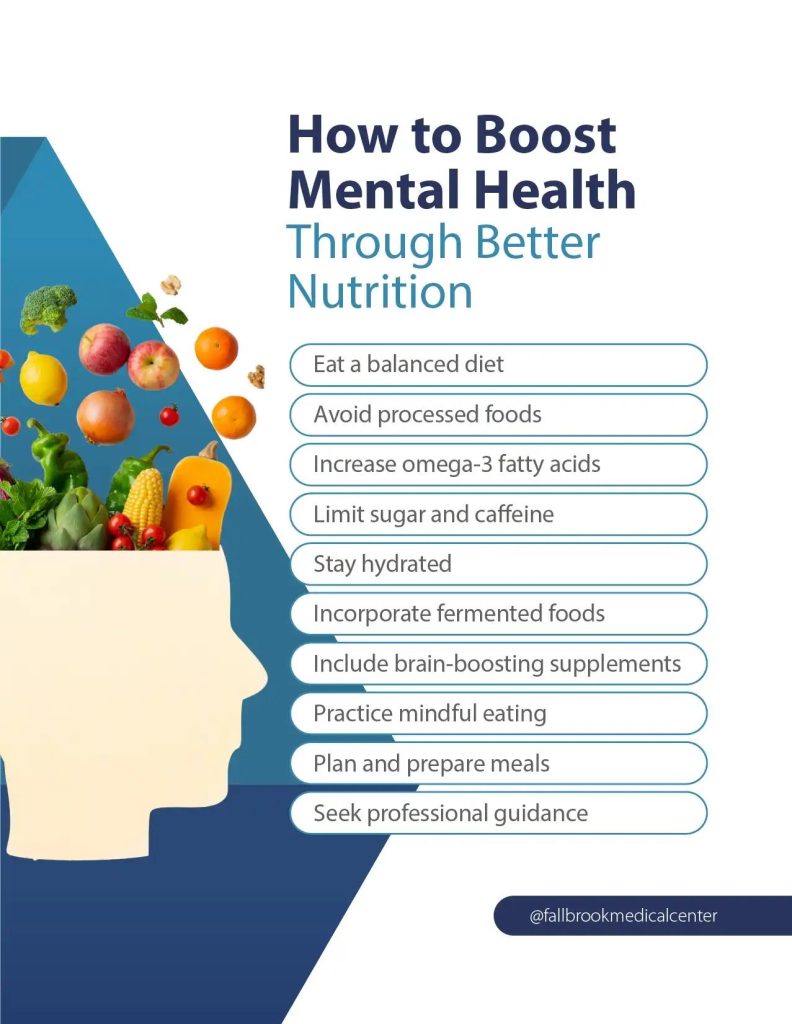
7. Maintain a Healthy Diet
Nutrition plays an important role in mental well-being.
Stress-Reducing Foods
- Fatty fish
- Nuts and seeds
- Leafy greens
- Berries
- Whole grains
- Yogurt
A balanced diet can support brain health and help reduce anxiety naturally.
8. Stay Connected with Friends and Family
Strong social relationships can provide emotional support during stressful times.
Talking with trusted friends or family members can help you process challenges and gain perspective.
9. Listen to Relaxing Music
Music can influence mood and relaxation.
Many people find that calming music helps lower stress levels and creates a sense of comfort and peace.
10. Reduce Screen Time
Constant exposure to news, social media, and digital devices can sometimes increase stress and anxiety.
Healthy Digital Habits
- Schedule screen-free periods
- Avoid excessive news consumption
- Take regular breaks from devices
11. Keep a Gratitude Journal
Writing down positive experiences and things you’re grateful for may help shift attention away from negative thoughts.
Benefits
- Encourages positive thinking
- Improves emotional resilience
- Supports mental wellness
12. Create a Daily Relaxation Routine
A consistent routine can help signal your body that it’s time to unwind.
Relaxation Activities
- Reading
- Stretching
- Meditation
- Deep breathing
- Taking a warm bath
Developing these habits is one of the most effective natural stress relief methods for long-term well-being.
Sample Daily Stress-Reduction Routine
Morning
- Drink water
- Practice 5 minutes of deep breathing
- Take a short walk
Afternoon
- Eat balanced meals
- Stay hydrated
- Take movement breaks
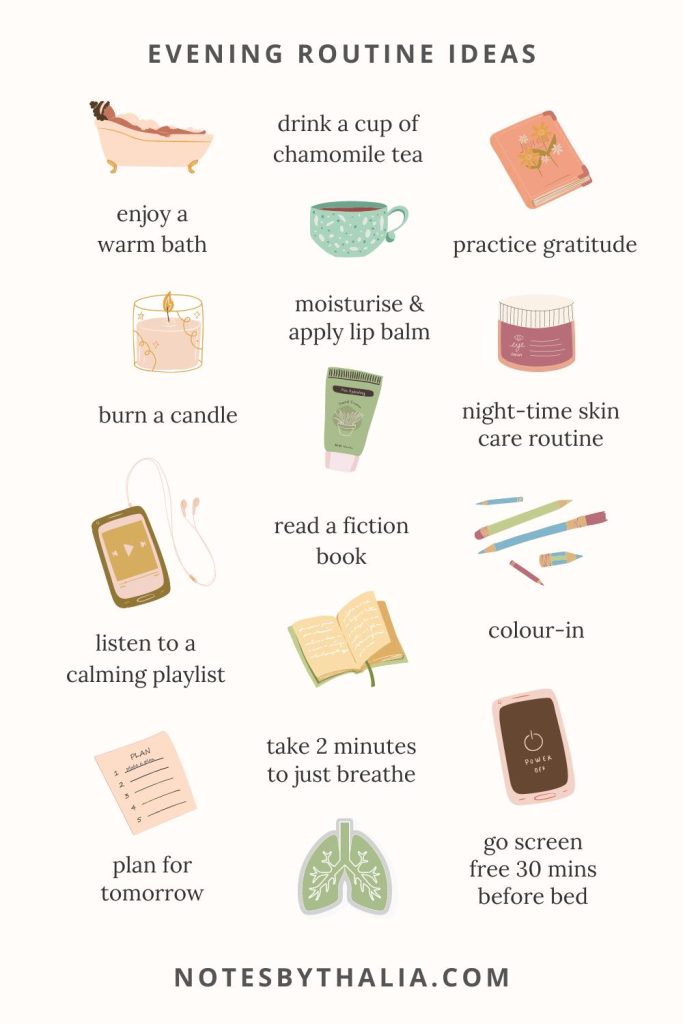
Evening
- Limit screen time
- Practice meditation
- Follow a consistent sleep schedule
Frequently Asked Questions
What are the best natural ways to reduce stress and anxiety?
Exercise, quality sleep, mindfulness meditation, healthy nutrition, deep breathing, and spending time in nature are among the most effective approaches.
Can exercise reduce anxiety naturally?
Yes. Regular physical activity releases mood-enhancing chemicals that help reduce stress and anxiety.
How quickly can stress-relief techniques work?
Some techniques, such as deep breathing, may provide immediate relaxation, while long-term habits often produce benefits over time.
Is meditation effective for stress management?
Many people find meditation helpful for improving focus, reducing stress, and promoting emotional balance.
Conclusion
Learning natural ways to reduce stress and anxiety can have a powerful impact on your mental and physical health. Simple habits such as regular exercise, mindfulness meditation, healthy eating, quality sleep, and spending time outdoors can help you manage stress naturally and improve your overall well-being.
The key is consistency. Small daily actions often lead to significant improvements over time. By incorporating these stress management techniques into your routine, you can build resilience and enjoy a calmer, healthier lifestyle.