

Most people know that exercise is important for maintaining physical fitness, managing weight, and improving heart health. However, many are surprised to learn that regular physical activity is also one of the most effective ways to support brain health.
Research suggests that exercise can improve memory, enhance concentration, boost mood, and even reduce the risk of cognitive decline as we age. But how much exercise do you actually need to keep your brain healthy?
Let’s explore what science says and how you can build a brain-friendly fitness routine.

How Exercise Benefits the Brain
Physical activity does much more than strengthen muscles and improve cardiovascular health. It also has a powerful impact on the brain.
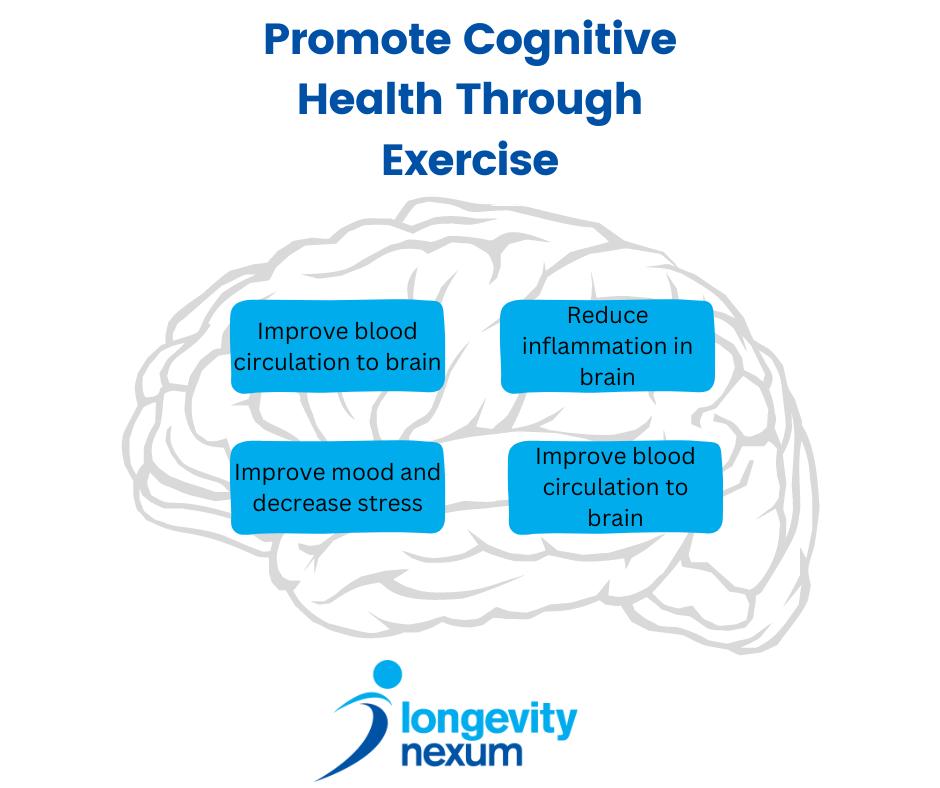
Key Brain Benefits of Exercise
- Improves memory and learning
- Enhances focus and concentration
- Increases blood flow to the brain
- Supports mental well-being
- Reduces stress and anxiety
- Promotes healthy aging
- May lower the risk of cognitive decline
Exercise stimulates the release of chemicals that help brain cells grow, communicate, and stay healthy.
How Much Exercise Is Recommended?
Health experts generally recommend:
For Adults
- At least 150 minutes of moderate-intensity aerobic activity per week
OR
- 75 minutes of vigorous-intensity activity per week
Plus
- Muscle-strengthening activities at least two days per week
This translates to about:
- 30 minutes of moderate exercise
- 5 days per week
Even smaller amounts of physical activity can provide benefits, especially for people who are currently inactive.
Best Types of Exercise for Brain Health

1. Walking
Walking is one of the simplest and most effective exercises for brain health.
Benefits
- Improves blood circulation
- Supports memory
- Reduces stress
- Easy for most fitness levels
A brisk 30-minute walk can provide significant cognitive benefits.

2. Running and Jogging
Aerobic exercises such as running and jogging increase heart rate and improve blood flow to the brain.
Benefits
- Enhances cognitive performance
- Supports mood regulation
- Improves mental clarity
3. Cycling
Cycling is a low-impact activity that combines cardiovascular fitness with mental stimulation.
Regular cycling may help maintain cognitive function as you age.
4. Strength Training
Resistance exercises are not just for building muscle.
Brain Benefits
- Improves executive function
- Supports decision-making skills
- Enhances memory
Examples include:
- Bodyweight exercises
- Resistance bands
- Weight training
5. Yoga
Yoga combines physical movement with mindfulness and controlled breathing.
Benefits
- Reduces stress
- Improves concentration
- Supports emotional well-being
Yoga can be especially beneficial for mental relaxation and cognitive performance.
6. Dancing
Dancing challenges both the body and the brain.
Learning new steps and coordinating movements helps stimulate multiple brain regions simultaneously.

How Exercise Improves Memory
Exercise increases blood flow and oxygen delivery to the brain. It also promotes the production of brain-derived neurotrophic factor (BDNF), a protein that supports the growth and survival of brain cells.
Higher levels of BDNF have been linked to improved learning, memory, and cognitive performance.
Exercise and Mental Health
Mental health and brain health are closely connected.
Regular exercise may help:
- Reduce symptoms of anxiety
- Improve mood
- Lower stress levels
- Increase self-confidence
- Support better sleep
These benefits contribute to overall cognitive well-being.
Can Exercise Help Prevent Cognitive Decline?
While no single lifestyle habit can completely prevent age-related cognitive changes, regular physical activity is associated with better brain health throughout life.
Research suggests that active individuals may have a lower risk of cognitive decline and certain neurodegenerative conditions compared to those who are sedentary.
Tips to Stay Consistent
Start Small
Begin with 10–15 minutes of activity if you’re new to exercise.
Choose Activities You Enjoy
You’re more likely to stick with exercise when it’s enjoyable.
Create a Routine
Schedule workouts like any other important appointment.
Stay Active Throughout the Day
Take walking breaks, use stairs, and reduce prolonged sitting whenever possible.
Sample Weekly Brain-Healthy Exercise Plan
Monday
30-minute brisk walk
Tuesday
Strength training session
Wednesday
30-minute cycling workout
Thursday
Yoga or stretching session
Friday
30-minute brisk walk
Saturday
Dance class or recreational sport
Sunday
Light activity and recovery
Frequently Asked Questions
What is the best exercise for brain health?
Aerobic activities such as walking, jogging, cycling, and swimming are among the most beneficial exercises for cognitive health.
Is 30 minutes of exercise enough for the brain?
Yes. Thirty minutes of moderate-intensity exercise most days of the week can significantly support brain health.
Can exercise improve memory?
Research suggests that regular physical activity may improve memory, learning, and overall cognitive function.
Does walking help the brain?
Absolutely. Walking increases blood flow to the brain and can improve mood, focus, and memory.
Conclusion
Exercise is one of the most powerful tools for maintaining a healthy brain. Whether you prefer walking, cycling, strength training, yoga, or dancing, regular physical activity can improve memory, concentration, mood, and long-term cognitive health.
For most adults, aiming for at least 150 minutes of moderate exercise per week is a practical goal that can provide substantial benefits for both the body and the brain. By staying active and consistent, you’re investing in a healthier mind for years to come.